Healthcare provider checking an adult patient's blood pressure
Personalized Blood Pressure Care

Hypertension Management in Oak Cliff

High blood pressure often develops without noticeable symptoms, but uncontrolled hypertension can place lasting strain on the heart, blood vessels, kidneys, brain, and other organs. Dr. James E. Race provides hypertension evaluation and ongoing management near Oak Cliff, with care tailored to your readings, health history, and individual risk factors.

Schedule a Blood Pressure Visit
Hypertension Care Near Oak Cliff

Managing Blood Pressure to Support Long-Term Health

Blood pressure naturally changes throughout the day, and one elevated measurement does not necessarily confirm hypertension. Diagnosis generally depends on repeated, properly taken readings and a review of your overall health. Our nearby Dallas practice helps Oak Cliff adults understand their numbers, address contributing factors, and follow a practical plan for ongoing blood pressure control.

Reasons to Schedule

When Should Your Blood Pressure Be Evaluated?

Regular monitoring is especially important because hypertension may not cause warning signs. An evaluation can help determine whether elevated readings are temporary or part of a continuing pattern.

Repeated High Readings

Blood pressure readings that remain elevated at home, at a pharmacy, or during medical visits should be reviewed to determine whether additional monitoring or treatment is appropriate.

Newly Diagnosed Hypertension

A new diagnosis may raise questions about your target range, medications, lifestyle changes, home monitoring, and the health conditions that can affect your treatment plan.

Medication Concerns

Side effects, missed doses, cost concerns, or difficulty following a medication schedule can interfere with blood pressure control and should be discussed with your provider.

Changes in Your Health

Kidney disease, diabetes, heart disease, pregnancy, weight changes, sleep problems, and new medications may affect blood pressure or influence how hypertension is managed.

Difficulty Reaching Your Goal

Blood pressure that remains above the recommended target despite treatment may require a review of measurement technique, medications, daily habits, and possible contributing conditions.

Our Approach

A Practical, Individualized Approach to Hypertension

Effective blood pressure care involves more than responding to one number. Your treatment plan may combine accurate monitoring, medication, everyday health changes, and regular follow-up based on your individual needs.
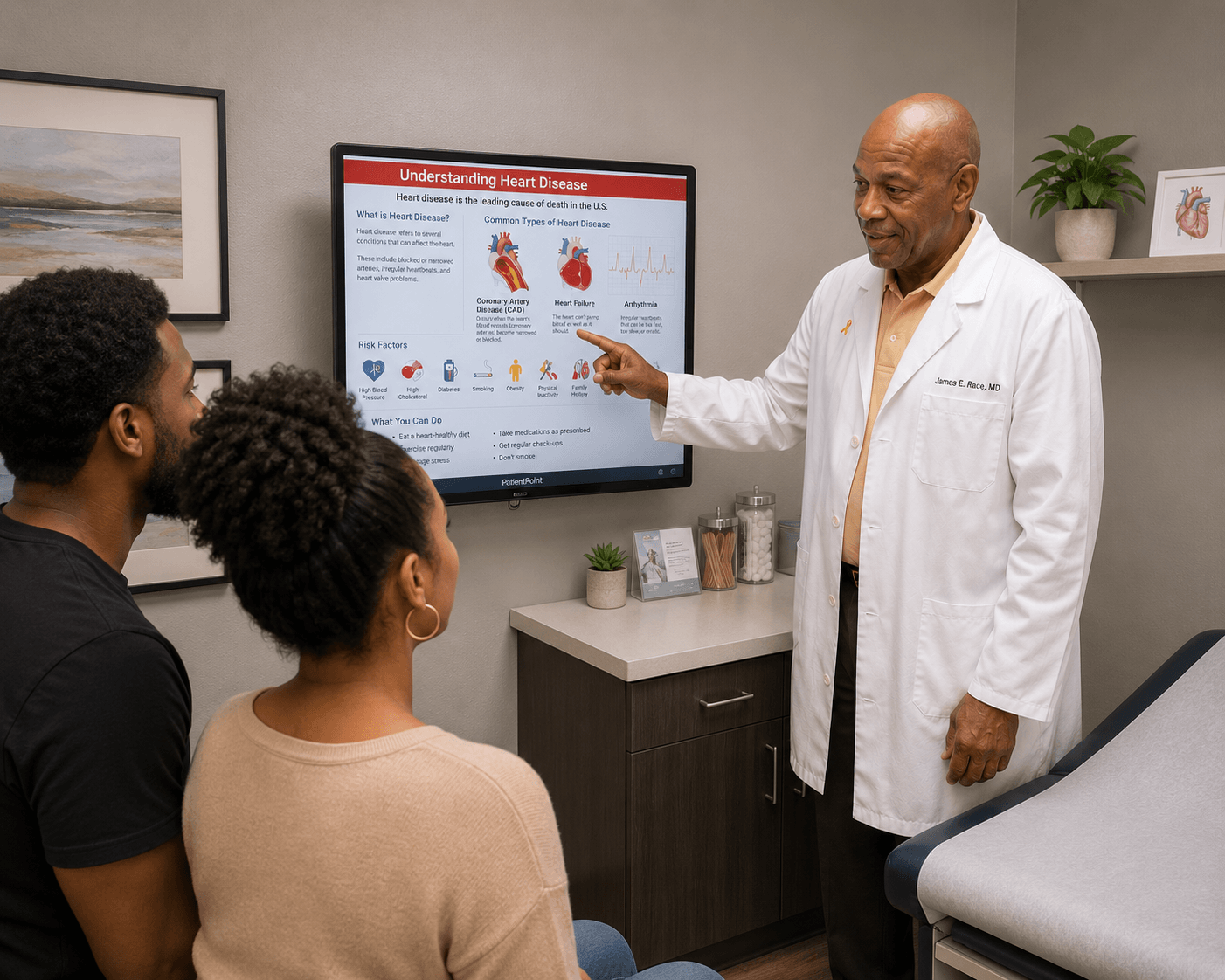
Healthcare provider reviewing blood pressure readings with an adult patient
Evaluation and Diagnosis

Looking Beyond a Single Blood Pressure Reading

Your evaluation considers the pattern of your readings, how they were measured, your medical history, current medications, and factors that may increase cardiovascular risk.

  • Review of recent office and home blood pressure readings
  • Confirmation that an appropriately sized cuff is being used
  • Discussion of family and personal medical history
  • Review of prescription and nonprescription medications
  • Assessment of cardiovascular and kidney-related risk factors
  • Laboratory testing or additional evaluation when appropriate
Blood pressure should be measured after resting quietly, with your back supported, feet flat on the floor, arm supported, and the cuff placed correctly on bare skin.
Doctor discussing an individualized hypertension treatment plan with a patient
Personalized Treatment

Selecting a Plan That Fits Your Health Needs

Treatment decisions depend on how high your blood pressure is, your overall cardiovascular risk, other medical conditions, current medications, and your response to previous care.

  • Individualized blood pressure goals
  • Medication selection when clinically appropriate
  • Review of medication timing and potential side effects
  • Guidance for taking prescribed treatment consistently
  • Consideration of other conditions and medication interactions
  • Adjustment of the plan based on follow-up readings
Do not stop or change a prescribed blood pressure medication without speaking with your healthcare provider, even if your home readings improve.
Adult following healthy daily habits to support blood pressure management
Everyday Health Strategies

Supporting Blood Pressure Control Between Visits

Daily habits can influence blood pressure and may work alongside prescribed medication. Recommendations should be realistic, medically appropriate, and adjusted to your current health and physical ability.

  • Reducing excess sodium while maintaining balanced nutrition
  • Including regular physical activity when medically appropriate
  • Working toward sustainable weight-management goals if needed
  • Limiting alcohol according to medical guidance
  • Avoiding tobacco and discussing help with quitting
  • Addressing sleep quality, stress, and possible sleep apnea
Adult using a home blood pressure monitor and recording the reading
Monitoring and Follow-Up

Using Consistent Readings to Guide Ongoing Care

Home readings can provide useful information about your blood pressure outside the medical office. Consistent technique and regular follow-up help your provider assess how well your treatment plan is working.

  • Use a validated upper-arm blood pressure monitor
  • Measure at consistent times when instructed
  • Take readings after sitting quietly for several minutes
  • Record readings instead of relying on memory
  • Bring your monitor and log to medical appointments
  • Report unusually high, low, or changing readings
Your provider can advise how often to check your blood pressure. Measuring repeatedly because of anxiety can make readings harder to interpret.

Are You Concerned About Your Blood Pressure?

Schedule an appointment with Dr. James E. Race to review your readings, discuss your risk factors, and develop an individualized hypertension management plan near Oak Cliff.

Book a Hypertension Visit
Frequently Asked Questions

Questions About High Blood Pressure

Learn more about hypertension readings, symptoms, home monitoring, medication, lifestyle changes, and situations that may require urgent medical care.

Doctor answering a patient's questions about high blood pressure
Hypertension is the medical term for blood pressure that remains higher than the recommended range over time. Because blood pressure can vary, diagnosis is generally based on multiple properly taken readings rather than one isolated measurement.
Hypertension often causes no noticeable symptoms, which is why routine measurement is important. Headaches, dizziness, or other symptoms can have many causes and should not be used alone to determine whether your blood pressure is high.
Not necessarily. Stress, pain, physical activity, caffeine, nicotine, certain medications, and incorrect measurement technique can temporarily affect a reading. Your provider may use repeated office readings, home monitoring, or ambulatory monitoring to assess the overall pattern.
Use a validated upper-arm monitor with the correct cuff size. Avoid exercise, smoking, and caffeine shortly before measuring. Sit quietly with your back supported, feet flat, legs uncrossed, and arm supported at heart level. Follow your provider’s instructions regarding timing and frequency.
The need for long-term medication depends on your blood pressure, cardiovascular risk, other health conditions, and response to treatment. Some plans change over time, but medication should never be stopped or adjusted without guidance from your healthcare provider.
Nutrition, physical activity, weight management, sleep, alcohol intake, tobacco use, and stress can affect blood pressure. Appropriate changes may improve control, but they do not replace prescribed medication unless your provider specifically updates your treatment plan.
Over time, uncontrolled high blood pressure can increase the risk of heart attack, stroke, heart failure, kidney disease, vision problems, and damage to blood vessels. Treatment aims to reduce these risks while supporting overall health.
Seek emergency help for a severely elevated reading accompanied by symptoms such as chest pain, shortness of breath, sudden weakness or numbness, difficulty speaking, confusion, fainting, a severe unusual headache, or sudden vision changes. If a reading is extremely high without symptoms, follow the urgent instructions provided by your healthcare professional rather than attempting to rapidly lower it on your own.
Coverage depends on your insurance plan and the services provided. Office visits, laboratory testing, medications, and monitoring equipment may have different requirements or costs. Contact your insurer and the practice to verify your benefits.
Yes. James E. Race, MD is located at 2909 S Hampton Road, Suite D107, Dallas, TX 75224, providing convenient primary care access for many Oak Cliff and Southwest Dallas residents.

Feedback

Testimonials

What Our Patients Talk About Our Services

star icon
4.85
469 Rating
Need to Talk?

Have a Question or Need to Schedule a Visit?

Our practice is here to support your healthcare needs. If you have questions about services, need to schedule an appointment, or would like to speak with our team.

Address

2909 S Hampton RoadSuite D107Dallas, TX 75224

Send Us a Message
Thank you! Your submission has been received!
Oops! Something went wrong while submitting the form.